
What is repudiation, and can walking off site cost me the contract?
Repudiation is conduct showing that a party is unwilling or unable to perform its contract, and it lets the other party terminate and claim damages. For a subcontractor, the classic way to repudiate is downing tools over non-payment without following the lawful suspension process: the builder then gets a lawful termination and a claim for the cost of replacing you. The protected route is the statutory right to suspend under your state's Security of Payment Act, followed in the right order.
How subbies end up as the party in breach
Frustration is the usual cause. Payment is late, then short, then late again, and the crew gets pulled to a job that pays. Done outside the statutory process, that looks like an unwillingness to perform, and a well-advised builder will say so in writing, terminate, and back-charge the cost of a replacement trade.
Builders can repudiate too, for example by persistently refusing to pay or by excluding you from site without a contractual right to do so. Whether conduct amounts to repudiation is a legal judgement made on the facts, and getting it wrong is expensive in either direction. This is squarely lawyer territory.
The lawful alternative: suspension
Security of Payment law gives you a protected path to stop work for non-payment: a valid payment claim, an amount that has become due and is unpaid, written notice of your intention to suspend under the Act, and the notice period expired. In NSW, for example, work can lawfully be suspended after non-payment on two business days' notice. The sequence is everything; one step wrong turns protection into repudiation.
Before you do anything
Put the payment position in writing. Keep serving payment claims on time. Check your state's suspension requirements, or run the documents through Adjudicate Pro first. If the relationship is past saving, get legal advice before you leave site, not after.
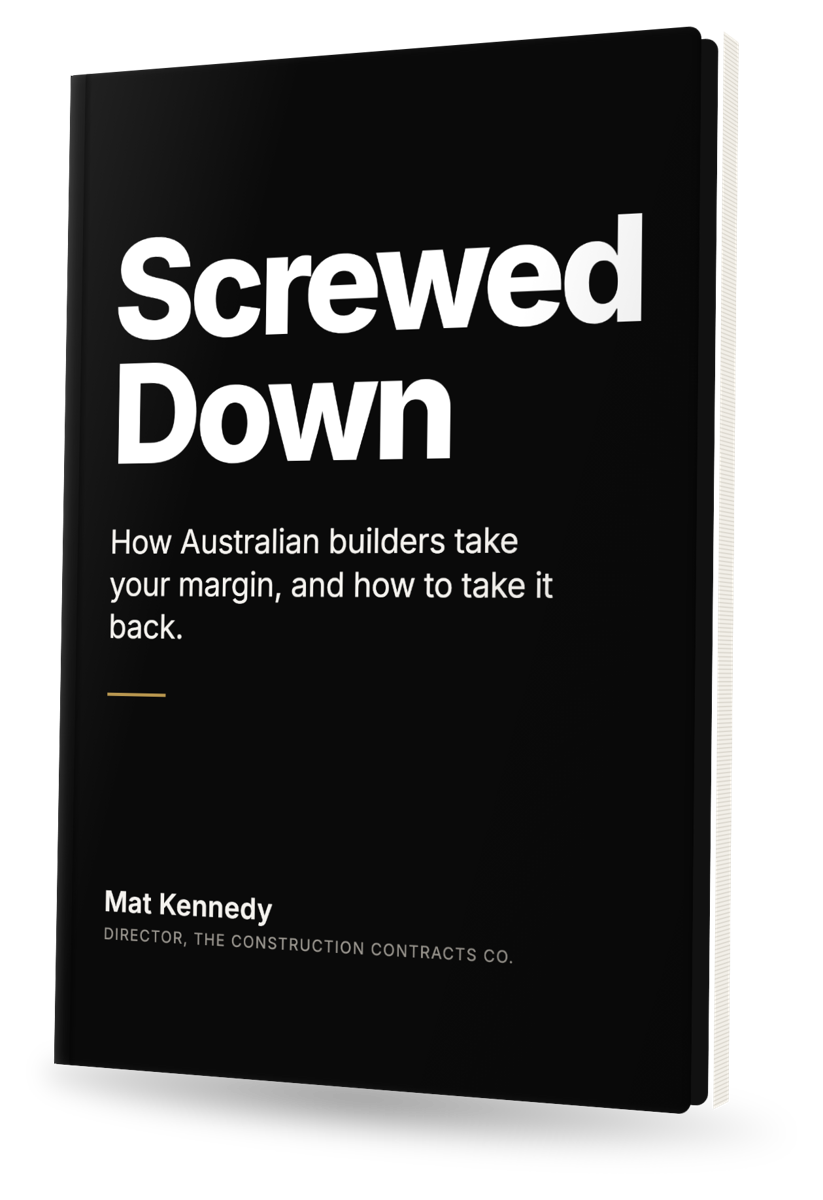
Know where your contract stands
Adjudicate Pro: what an adjudicator would likely award under your state's Act, and whether to apply.
Assess my payment dispute freeCommon questions
Is stopping work for non-payment repudiation?
It can be, if you stop outside the statutory process. Suspending work under your state's Security of Payment Act, after a valid claim, an unpaid due amount and proper written notice, is a protected right. Walking off without that sequence risks handing the builder a lawful termination.
What can I do if the builder repudiates the subcontract?
Repudiation entitles the innocent party to terminate and claim damages, but whether the builder's conduct really is repudiation, and whether ending the contract is the right move, turns on the facts. Get advice from a construction lawyer before you act on it.
Is repudiation the same as termination for convenience?
No. Termination for convenience is a right the contract gives the builder to end it without cause, usually with compensation terms. Repudiation is conduct so serious that the other side can end the contract for it. One is a contractual right; the other is a breach.
Suspending work for non-payment, by state
Terms in this guide
Keep reading
General information for Australian subcontractors, not legal advice. Statutory deadlines and details vary by state and change over time; verify them before relying on them. Written by Mat Kennedy at The Construction Contracts Co.