
How does adjudication actually work?
Adjudication is the construction industry's fast-track payment umpire: you serve a payment claim, the builder responds (or doesn't) with a payment schedule, and if you're scheduled short or unpaid you apply for adjudication: an independent adjudicator decides on the papers, typically within weeks. The determination creates a debt the builder must pay before any further argument. It exists precisely so subcontractors don't need two years and a barrister to collect progress payments.
The sequence on the East Coast model
Step one: a valid payment claim, identifying the work and the amount, served on the right entity. Step two: the builder's payment schedule window (10 business days in NSW, VIC, TAS and the ACT; 15 in QLD, SA and WA). Silence makes the full claimed amount a debt due and bars their reasons at adjudication. Step three: if scheduled short, disputed, or unpaid, the adjudication application, lodged with an authorised nominating authority in most states, or with the QBCC Registry in Queensland. Step four: the determination, typically within 10 business days of the adjudicator accepting on the NSW-style Acts. Unpaid determinations support suspension and judgment.
The Northern Territory runs its own model: no claim/schedule exchange; a payment dispute arises when a claim is rejected or unpaid at the due date, and either party has 90 days to apply.
Why subbies win it, and how they lose it
Adjudication is decided on documents, fast, which rewards exactly the discipline this site keeps banging on about: claims served cleanly, schedules diarised, notices in writing, records kept on boring days. Respondents are largely locked to the reasons in their payment schedule, which is why a missed or thin schedule is such a powerful position.
The ways claimants lose are almost all procedural: applications lodged outside the window, claims served on the wrong entity, invalid claims. The windows are short and strict by design: speed is the whole point, and it cuts both ways. Know your dates before you need them.
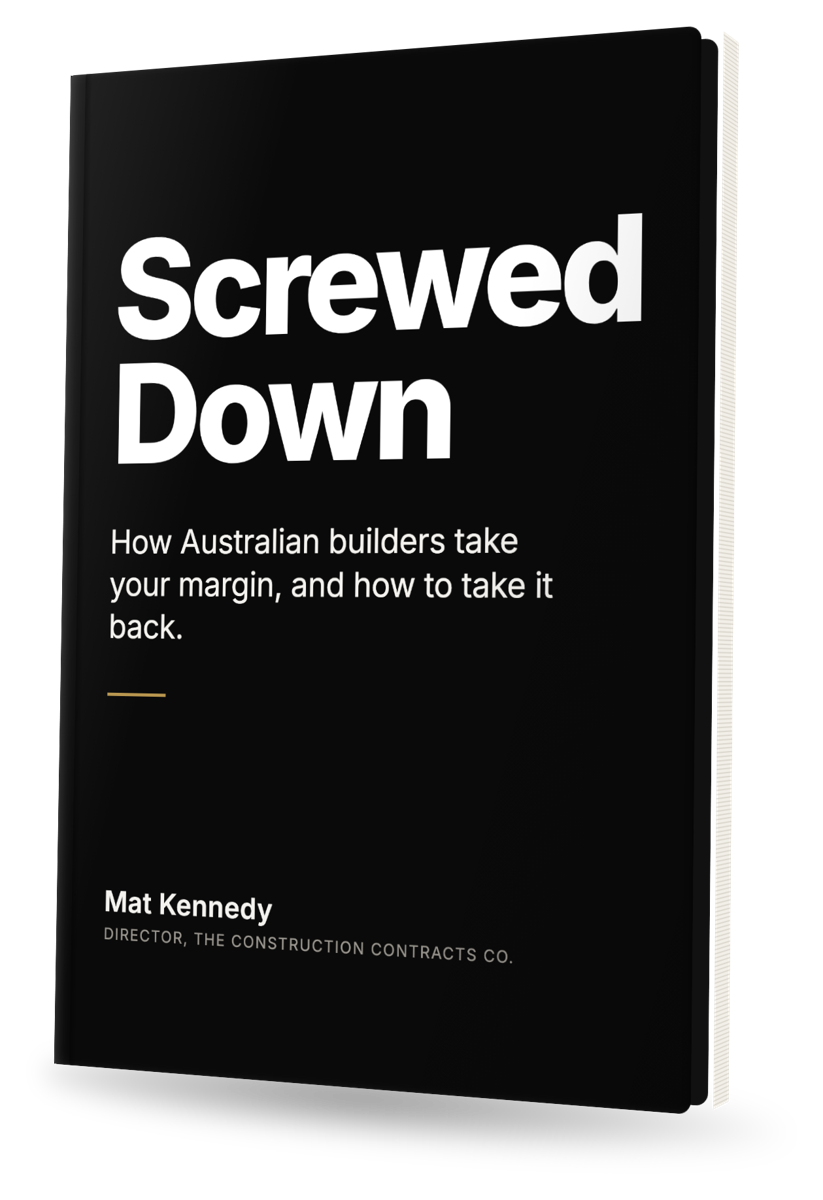
Know where your contract stands
Adjudicate Pro: what an adjudicator would likely award under your state's Act, and whether to apply.
Assess my payment dispute freeCommon questions
How much does adjudication cost?
Application fees are modest, and many subbies run smaller adjudications themselves or with limited help. The process is built for working contractors, decided on documents. Costs scale with complexity and the adjudicator's fees; for a well-documented claim it remains the cheapest formal remedy in construction by a wide margin.
Can the builder just ignore the determination?
Not usefully. An adjudicated amount is a debt due. Unpaid, it supports suspension of work and entry of judgment. Builders can pursue their arguments later through other avenues, but the Act's design is pay now, argue later.
Adjudication, by state
Keep reading
General information for Australian subcontractors, not legal advice. Statutory deadlines and details vary by state and change over time; verify them before relying on them. Written by Mat Kennedy at The Construction Contracts Co.